Which Disposable Vapes Make More Sense for Long Commutes?
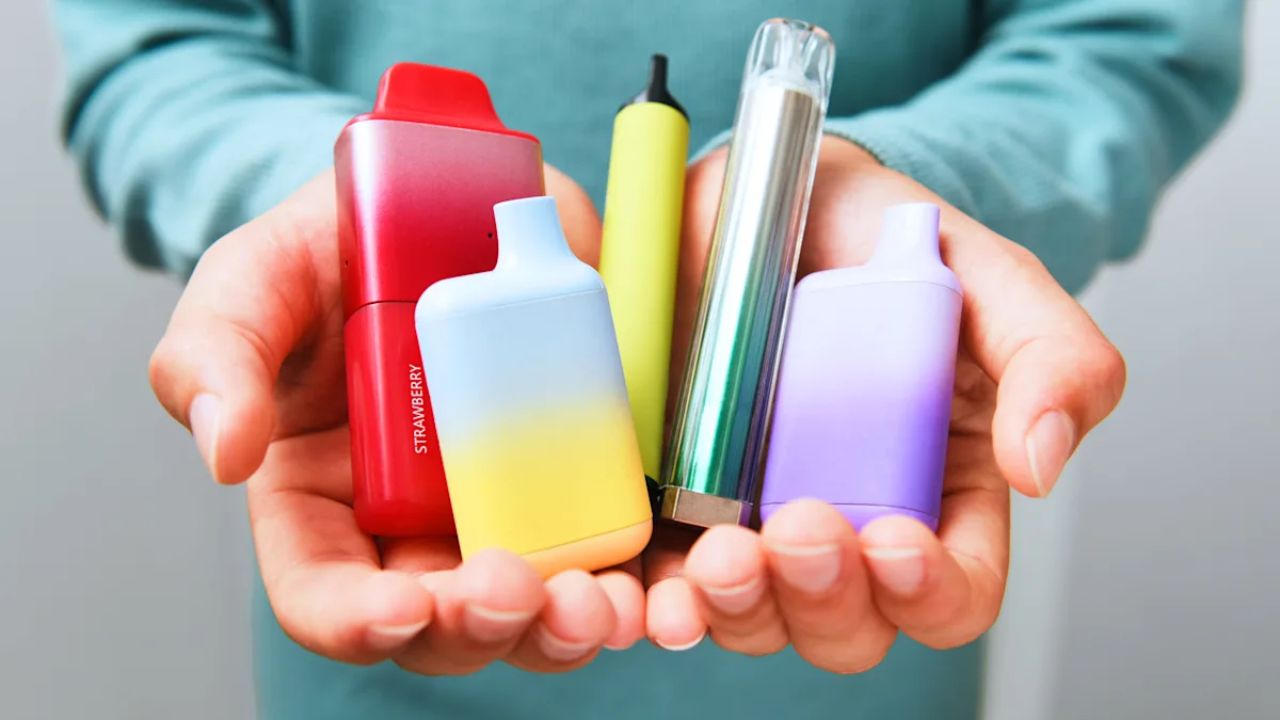
A long commute puts more pressure on a vape than a normal day does. Charging access varies—some people have a car charger handy, others are on trains, buses, or ride-shares with no easy option. Either way, the window for a reliable top-up is narrower than it is at home, and the stakes of running flat are higher. Whatever you grab in the morning may need to last through a transfer, a delay, and the full ride back. A device that’s fine around the house can become a problem the moment you’re stuck somewhere with a dead battery and no convenient way to fix it.
That’s the lens this post uses. We’ll skip the spec-sheet theater and look at what actually matters when charging access is limited or unreliable: battery you can rely on, whether it recharges, how big it is to carry, what puff counts really tell you, and whether all those fancy modes are worth anything during a commute. By the end, you’ll have a practical way to pick something that won’t quit on you mid-trip.
Why commuting changes the math
Most vape advice assumes you can charge whenever you want. For many commuters, though, that’s not always realistic—and that shift in convenience changes the priorities.
At home, a small device is fine—you plug it in overnight and forget about it. On a long commute, the situation is less predictable. You might have a car charger, or you might be on a packed train with no outlet in sight. Either way, running dry or flat somewhere inconvenient is a real possibility, and fixing it isn’t always simple. That’s where devices with bigger batteries or larger tanks start to earn their keep—not because every commuter lacks charging options, but because depending on one isn’t always realistic when you’re in transit.
Battery reliability comes first
If you only optimize one thing, make it the battery. Everything else is secondary when you’re hours from an outlet.
A bigger battery generally means more time between charges, which is exactly what you want when charging isn’t an option. Higher-capacity rechargeable models—the kind rated for tens of thousands of puffs, like a Geek Bar Pulse X or a Lost Mary MT35000 Turbo—tend to hold up across multiple sessions without leaving you stranded. Smaller mid-range devices can absolutely work, but they’ll usually need a charge sooner, which is the whole problem on a long trip.
One honest caveat: battery life varies with how you use it. Long, frequent pulls drain faster than the occasional puff. Treat capacity as a buffer, not a guarantee, and lean larger if your commute is long or unpredictable.
Rechargeable is close to non-negotiable
Older disposables ran until the battery died, often with liquid still inside. That’s a bad deal anywhere, but it’s worse on a commute—you’re throwing away a half-full device with no replacement handy.
Most decent models now recharge, and for commuters that feature isn’t optional so much as expected. A couple of practical notes:
- Look for USB-C. It’s standard, and you probably already carry a cable, so an emergency top-up at a station or in the car is at least possible.
- Charge the night before, every time. A rechargeable device only helps if you actually start the day full. Build it into your routine.
Read puff counts as a rough guide, not a promise
Puff count is the number every box shouts about, and it’s useful—just don’t take it literally.
Those figures come from short, even draws in ideal conditions. Real commuting is messier: longer pulls when you’re stressed in traffic, a few extra during a delay, colder weather on a winter platform. Expect your actual mileage to land below the printed number, sometimes well below.
So use puff count to compare devices in the same ballpark, not as a countdown clock you can trust to the digit. If your commute is long and you vape steadily, lean toward a higher-rated model like a Raz RX50K for breathing room. If your travel is shorter or you’re a lighter user, a mid-range option like a TN9000 may be plenty—just know it’ll need attention sooner.
Size and everyday carry
Where the device lives matters more on a commute, because it’s with you the whole time.
A slim disposable disappears into a pocket and never bothers you. A higher-capacity one trades a little bulk for the runtime you actually need when there’s no charger around. Here’s the thing people overlook: the size gap between a compact device and a big-capacity one is often smaller than the puff numbers suggest. More capacity doesn’t always mean a brick in your bag.
So if you carry your vape in a coat pocket all day, factor that in—but don’t assume you have to sacrifice much runtime to stay comfortable. For most commuters, the slightly larger device is a fair trade for not running dry on the way home.
Are adjustable modes actually useful on a commute?
A lot of newer devices offer a couple of output modes—something like a smoother, lower-power setting and a denser, higher-power one. They sound great. The question is whether they help you specifically.
For commuting, the lower-power mode is often the more practical pick, since easing off the output tends to stretch both battery and liquid across the day. The higher-power mode is satisfying for short bursts, but it generally drains things faster—not ideal when you can’t recharge.
So the honest question is how you’ll use them. If you like dialing the experience up now and then, the option is nice to have. If you mostly want something that fires and lasts, you’ll probably leave it on the gentler setting anyway. Don’t pay a premium for modes you’ll set once and forget.
Matching the device to your commute
There’s no single best vape here—only the one that fits your travel pattern. A quick way to narrow it down:
- Short or moderate commute, lighter use: A mid-range device like a TN9000 can handle it. Lighter to carry, just plan to recharge or swap sooner.
- Long daily commute, steady use: Lean toward a higher-capacity rechargeable model—think Pulse X or MT35000 Turbo—so you’re not chasing outlets during transfers.
- Multi-day travel with little or no charging: Go bigger still. Something like a Raz RX50K prioritizes sustained runtime over compact size, which is exactly the trade you want when outlets are scarce.
If you’d rather see how a few of these stack up side by side before deciding, it helps to browse a range of disposable vape options and compare capacity and size against your actual route.
A few mistakes commuters make
Even with the right priorities, a couple of easy slips trip people up.
- Trusting the puff count to the digit. It’s an estimate. Build in a margin, especially in cold weather or heavy use.
- Skipping the overnight charge. A rechargeable device only helps if you start the day full. Make it a habit.
- Buying small to save a few dollars. A cheaper, lower-capacity device that dies mid-commute costs you more in frustration than the savings were worth.
- Carrying no backup on multi-day trips. If you’ll be away from outlets for days, a second device beats gambling on one battery.
The bottom line
Choosing a vape for a long commute comes down to staying powered when charging is limited, inconvenient, or uncertain. Start with battery reliability, make sure it recharges, and treat puff counts as a ballpark rather than a promise. From there, match the size and capacity to how reliably you can actually charge during your day.
Picture your real route—the transfers, the delays, the moments when plugging in isn’t practical or possible—then pick the device that gets you through it without a second thought. Charging access varies by commute, and that’s the point: choose based on your actual situation, not the numbers on the box, and you’ll sidestep the dead-battery scramble that catches out everyone who assumes things will work out along the way.