Materials and Methods Used in ShincoFab Sheet Metal Fabrication Projects
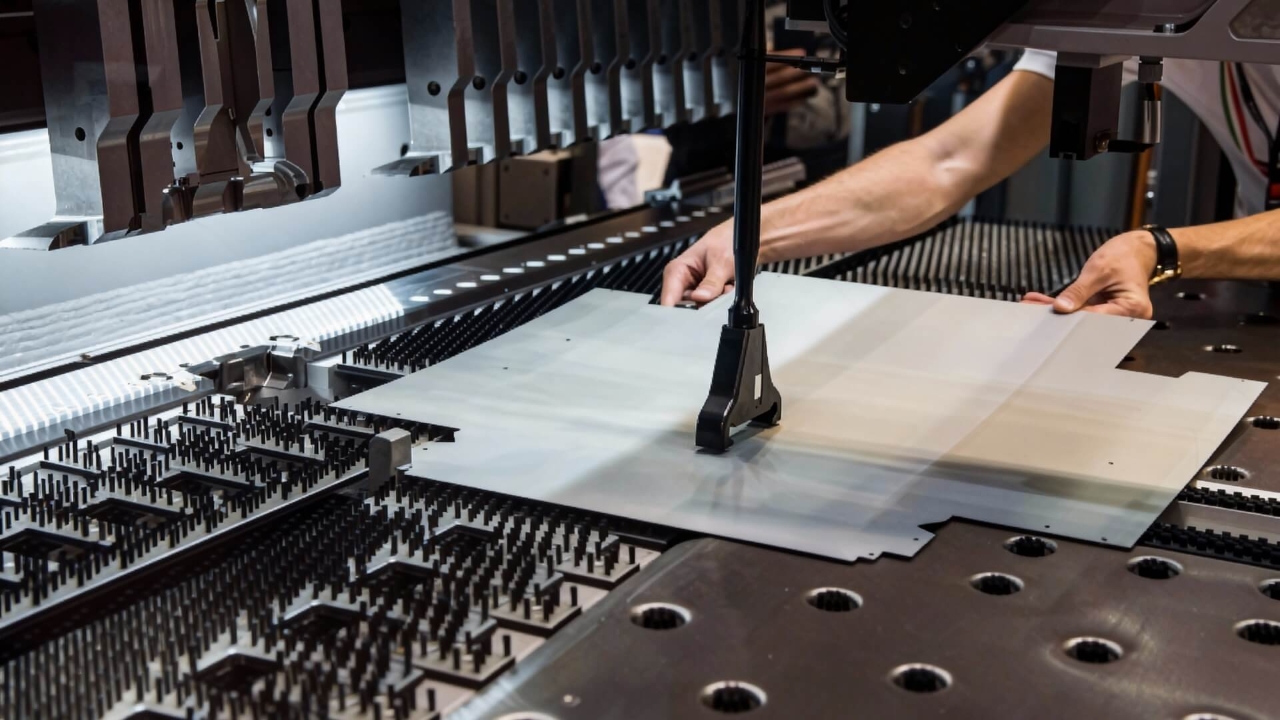
Sheet metal fabrication needs the right materials and methods. Lacking either affects quality, making parts inaccurate, weak, or less durable. It determines if the part serves its purpose or withstands forces. ShincoFab has the capability to manage a variety of metals and manufacturing processes used across different industries.
Aluminum in Lightweight Applications
When weight must be kept low, but strength is required, aluminum is used. It is easy to cut, shape, and finish and is good for enclosures, frames and electronic parts. Aluminum is well-suited for fabrication due to its ability to be cut with lasers and bent with CNC machines. This material is used in surface coating processes like anodizing to prevent corrosion. Its alloy is popular in transportation and electronics due to its ideal weight-to-strength ratio.
Stainless Steel for Strength and Resistance
When high strength and corrosion resistance properties are required, stainless steel is used. Moisture, heat, and chemical resistant. This material is more difficult to cut than aluminum, and bending requires more controlled settings. It has many applications in food-related machines and medical devices, and is widely used in the construction of outdoor buildings. It is naturally more resistant to corrosion and so does not require a heavy surface protection in many instances.
Carbon Steel for Structural Use
Carbon steel can be used in the manufacture of cheap construction materials that require strength. Strong and reliable, but needs to be protected on the surface to ensure longevity. In manufacturing, carbon steel can be processed in large volumes. It is utilized in frameworks, enclosures, and industrial machinery. This material will then be painted to increase its lifespan.
Copper and Brass for Conductive Parts
If any of these characteristics are needed, copper or brass is used: either for electrical or thermal conductivity. The metals will not be as hard as the steel, but will become soft and bendable over time, with a higher tendency to scratch. It is critical that these metals be precise when being worked, since they can affect performance or even appearance.
Titanium for High Performance Needs
Titanium is used where strength and light weight, together with its resistance to corrosion, are required. Hard and therefore more difficult to process than other metals. Therefore, the cutting and shaping of titanium requires precise machine control. It is employed in the aerospace industry, medical devices and high-quality engineering projects where performance is critical.
Laser Cutting for Accurate Shaping
Laser cutting is the most commonly used cutting method. The machine uses a highly focused laser to cut metal sheets. This technique can be applied to simple or complex shapes. Creates good corners and eliminates extra finishing. Because of its speed and accuracy of production, it is widely used for prototyping as well as mass production.
CNC Bending for Accurate Angles
Metal sheets are sometimes bent into angles and curves after cutting. This is done with a CNC bending machine. These machines are used to bend metal under controlled force, in accordance with the design specifications. It will ensure that every part is to the required size. In multi-component projects where assembly with high tolerances is essential, this is particularly significant.
Stamping and Punching for High Volume Work
When large quantities of products are required, stamping and punching processes are used to quickly produce repeated shapes. They are effective for situations where the same design is required in large numbers. They help reduce production time and maintain uniformity across batches. These make them well-suited to industries that require speed and volume of information, without compromising on basic accuracy.
Welding and Assembly Methods
Individual parts are often required to be joined after they are produced. In welding, a process is used to join metal pieces by heating them and applying pressure to form a stable bond. This welding process is determined by the types of materials being used. When construction is well done, the right welding process ensures the structure does not become unstable under stress. The welded material is usually inspected for accuracy and strength.
Surface Finishing for Protection and Appearance
Surface finishing is a process performed after fabrication to enhance durability and appearance. These include powder coating, anodizing, polishing and sand blasting. These treatments help prevent corrosion, scratches and wear on metal surfaces. They also enhance the visual effects, a crucial factor for consumer products, industrial equipment and machinery as well.
Conclusion
The materials and techniques used in sheet metal fabrication directly influence the quality of the final product. Materials such as aluminum, stainless steel and carbon steel have their own functions and manufacturing methods, such as laser cutting, bending, and welding, which are applied to form useful components. With a controlled workflow, ShincoFab uses these materials and methods to produce parts that meet varying industrial requirements. The emphasis is still on selecting the appropriate material for the appropriate process to ensure the performance of each part in actual use meets the desired requirements.