The Role of Network Cabinet Manufacturers in Modern Data Centers
The contemporary data centers are dependent on accuracy, coordination, and consistency in order to sustain the increasing digital needs. Infrastructure needs to be performance and scalable, whether it is cloud computing, enterprise networking, or edge deployments. Network cabinets are the main keystones of this infrastructure as they conceal and safeguard vital networking equipment. The Network Cabinet Manufacturers are at the center of focusing on efficient, secure, and sustainable data centers. They have experience in the design, engineering, and production, which directly influence the performance and lifespan of the data center environments.
Designing for Performance and Scalability
Manufacturers of network cabinets play a vital role in designing the modern network data center structures. No longer are cabinets mere enclosures, but rather a system of engineering in order to provide a home to switches, patch panels, routers, and cable management devices in a well-organized and easily accessible way. When manufacturers are laying out data centers, their consideration must include rack height, depth, load capacity, and adherence to industry standards that would see the smooth integration of the facility into the data centers.
The other important consideration is scalability. With the growing IT activities in organizations, cabinets have to be designed in such a way that they accommodate more equipment, without interfering with the airflow or the stability. Manufacturers use modular systems in which it is possible to expand and reconfigure with ease. This flexibility aids data centers in expanding effectively with reduced downtimes as well as operational interruptions.
Supporting Structured Cabling Systems
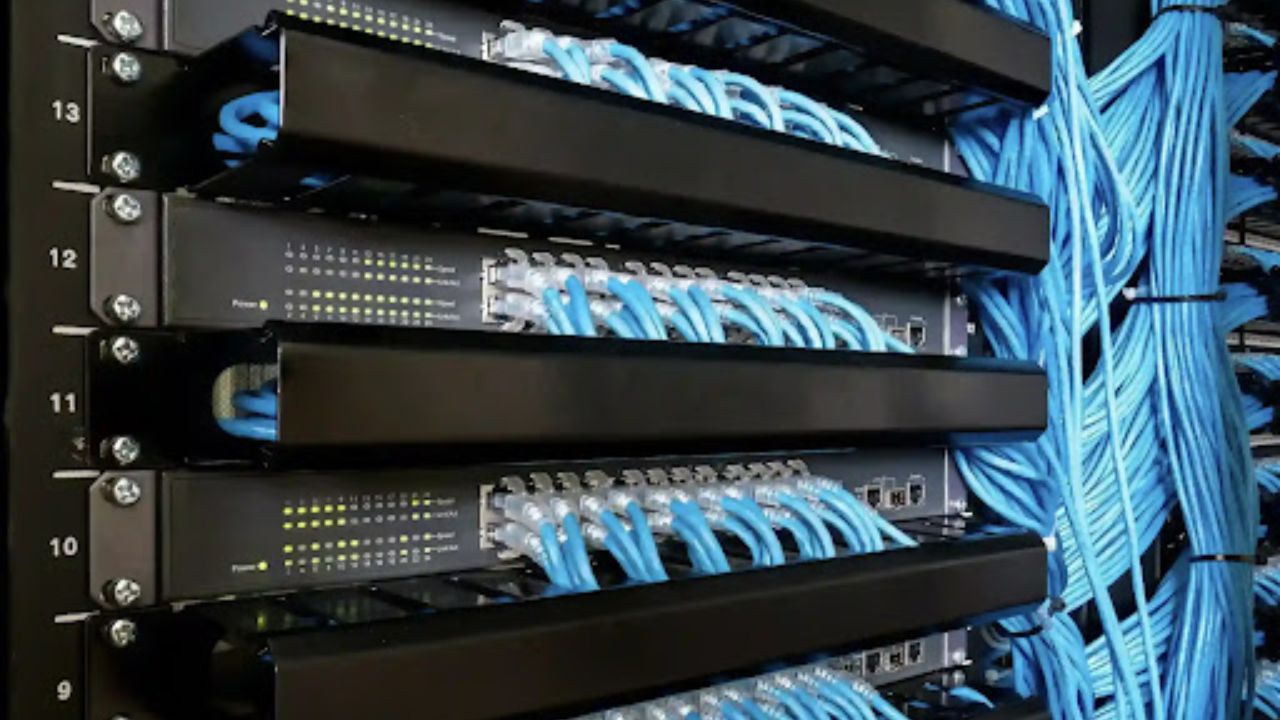
This will require effective cable management in order to ensure the performance of the network and to make maintenance easier. The use of enclosures by the manufacturers of network cabinets accommodates structured cabling solutions, and this guarantees the cables are well-run and are secured. Organized installations are provided by integrated cable tray, vertical and horizontal managers, as well as adjustable mounting rails.
Properly designed cable management systems minimize signal interference and increase the effectiveness of troubleshooting. The speed at which technicians can establish connections and access them makes maintenance work faster and less intrusive. Manufacturers know that organized cabling is not only aesthetic, but it is the key to network reliability and continuity of operation.
Ensuring Equipment Protection and Security
Data centers possess valuable and sensitive equipment, which makes physical security a priority. Network cabinet manufacturers use high-quality locking mechanisms, stronger frames, and hard materials to ensure the hardware does not suffer unauthorized access and adverse environmental conditions. Equipment can also be better protected by the use of seismic or high-humidity cabinets.
Besides physical security, manufacturers aim at environmental security aspects of dust resistance and corrosion prevention. Credit Cabinets with more ingress protection ratings might be needed because they have outdoor or edge data center applications. These concerns are resolved by the manufacturers to protect equipment and data integrity.
Driving Innovation Through Customization
Each data center has different requirements depending on its size, industry, and scope of operations. To address these unique needs, network cabinet manufacturers will offer customized solutions. Data centers can optimize their infrastructure by using custom heights, custom ventilation systems, integrated power distribution units, and custom cable entry designs.
Personalization also goes to branding and aesthetic concerns of enterprise settings. Manufacturers work with clients in close cooperation in order to provide solutions that meet technical requirements and corporate standards. Such flexibility proves the vendor’s participation in the implementation of functionality as well as strategic infrastructure planning.
Supporting Power Distribution and Integration
The performance of data centers has to do with power management. The enclosures made by network cabinet manufacturers place in-store units of power distribution and facilitate the orderly arrangement of power cables. Adequate separation of data cables and power lowers interference and improves operational safety.
Manufacturers make data centers have a stable and efficient energy distribution by making sure that the data center is compatible with modern power solutions. Combined grounding and cable routing routes also make it safer and more in line with industry requirements. These factors underscore the importance of the manufacturer in ensuring that its operations are stable and secure.
Conclusion
The producers of network cabinets are critical contributors to the work and functionality of contemporary data centers. They also contribute to fabrication as well as engineering knowledge, thermal management, cable organization, equipment protection, and scalable design. With high-quality and flexible solutions, they also help the data centers to be certain that they are addressing any changes in technology.
With the ever-increasing digital transformation in the industries, the significance of well-structured infrastructure is ever-increasing. The manufacturers of network cabinets are also at the vanguard of this evolution, and they offer a structural basis that ensures connectivity, efficiency, and success in the long run.