BATwireless Multi-Frequency GNSS Antennas for Improved Location Accuracy
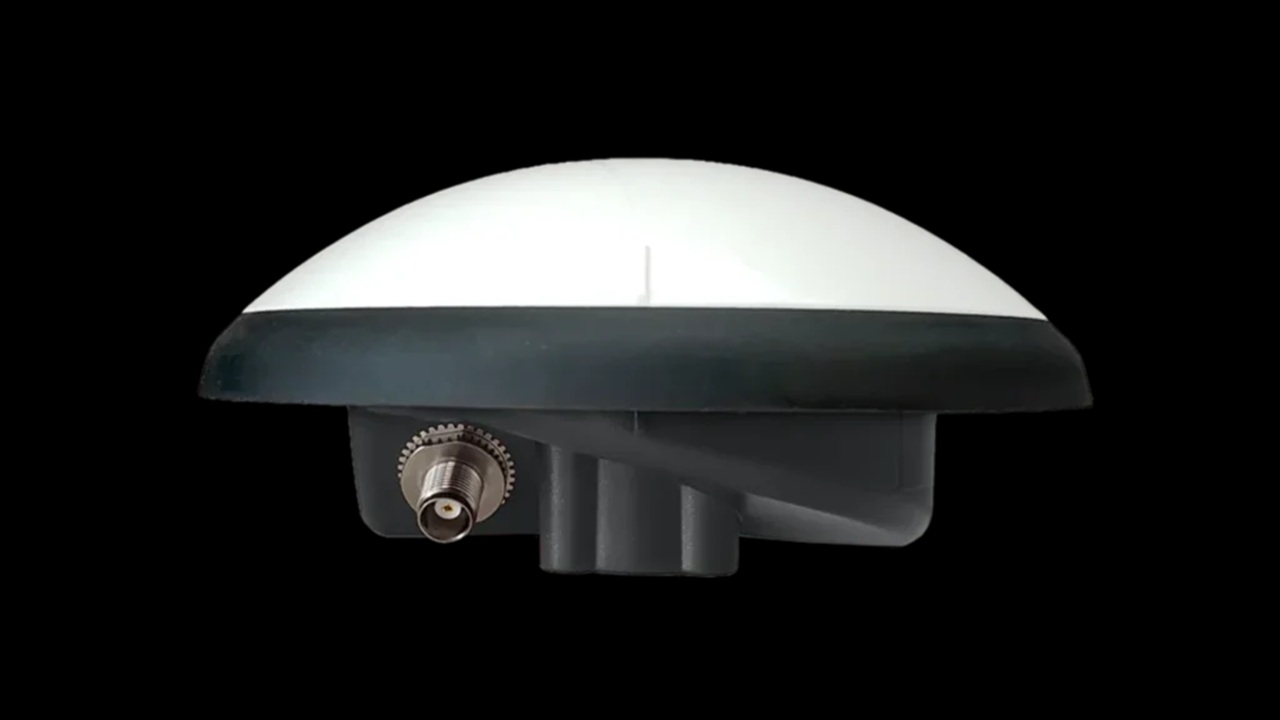
In most aspects of life, satellite navigation systems are applied. Cars are guided by them on the routes, smartphones are guided by them on location services, and industries use them in mapping and tracking. These systems operate using the signals of the satellites orbiting the Earth. The capturing of these signals is done by GNSS Antennas and forwarded to receivers, where they are processed. BATwireless manufactures multi-frequency GNSS antennas that are aimed at assisting devices to become more successful in their reception of a satellite signal and, consequently, become more precise in determining the position.
Understanding GNSS Technology
GNSS consists of a few satellite systems that are operated by various regions. These systems send signals that enable receivers on the earth to know their location. A device can use the time that each signal requires to reach it when multiple satellites are picked up by the device, to estimate its location.
Importance of Multi-Frequency Reception
Customary GNSS receivers tend to use a single signal frequency. Multi-frequency antennas enable devices to get simultaneously two or more frequencies. This is done to allow receivers to compare signals and minimize certain errors that can occur during transmission.
Signal Paths and Atmospheric Effects
The distances that the satellite signals travel are long before getting to the ground. In this process, the signals go through the atmospheric layers, which may slow them down or cause a slight deviation. Multi-frequency reception enables receivers to better measure those changes and improve positioning calculations.
Multi-Constellation Support
The GNSS antennas used today may support multiple networks, rather than relying on a single network. The systems include GPS, BeiDou, GLONASS, and Galileo, and can be received simultaneously. The more there are satellites, the more data the receivers can work with in calculating a position.
Better Reliability of Positions
Accuracy of location is not only based on the signal strength, but it also depends on the number of satellites visible. Multi-frequency antennas assist in ensuring a stable positioning since they are able to handle multiple source signals of the satellites at the same time. This minimizes the risk of the loss of position information in challenging conditions.
Performance in Urban Areas
The cities have numerous high-rise buildings that may obstruct or reflect the satellite signals. These considerations occasionally lead to mistakes in the calculations of positions. Multi-frequency antennas can be used to reduce such issues by comparing signals at different frequencies and selecting those that yield more informative signals.
High Precision Applications
Some of them demand extremely accurate location readings. Positioning accuracy extending beyond fundamental navigation is often required in surveying, mapping, scientific research, etc. Multi-frequency GNSS antennas are used to perform these activities by receiving signals that enable the receivers to use more accurate correction procedures.
Support for RTK Positioning
Real-Time Kinematic positioning is a technique that enhances the positioning by making comparisons between signals of a mobile receiver and a base station. Multi-frequency antennas are also popular in RTK systems since they are able to observe the signal required to perform fine carrier phase measurements.
Antenna Design Contemplations
The antennas of the GNSS should be engineered to pick up weak signals from the satellites. Form, structure, and interior elements have an influence on performance. The antennas can have shielding or filtering capabilities, which facilitate the minimization of undesirable interference by other electronic devices around the antenna.
Installation and Placement
The correct positioning of the antennas is also significant in getting the satellite signals. The installation of antennas is frequently done in areas where the houses can see the sky clearly. Vehicles, mounting outside, ensure that there is less signal blockage and enhance the signal quality.
Use in Connected Systems
The GNSS antennas are applied in various devices. Many industries are also relying on precise positioning, such as vehicle navigation, agriculture equipment, and drones, as well as tracking systems. Multi-frequency antennas are used to ensure that these systems maintain good location information, either in motion or when operating over long distances.
Meeting the Changing Navigation Demands
The need to have precise location information is on the rise as the number of technologies depending on satellite positioning increases. These requirements are facilitated with multi-frequency GNSS antennas that enhance the quality of signals and minimize frequent positioning errors. This renders them applicable in daily navigation as well as in the consumer field.
Conclusion
Multi-frequency GNSS antennas have a major role to play in enhancing the precision of the satellite navigation systems. They can give receivers more reliable positioning by getting signals over a variety of frequencies and in a variety of constellations of satellites. BATwireless manufactures GNSS antennas that can be used to accommodate these capabilities in numerous settings and applications. In both vehicle navigation and surveying, and other related devices, good signal reception is important in ensuring accurate location data. With the continued development of satellite systems, multi-frequency antennae have been and will continue to play an important role in attaining accurate and reliable positioning capability.